



WASHINGTON — November 19, 2026 — The political landscape in Washington has officially shifted following a sweeping Democratic victory in the 2026 midterm elections, culminating this week with former Rep. Mary Peltola defeating two-term Republican incumbent Sen. Dan Sullivan in Alaska.
Peltola’s victory in the final unresolved Senate contest of the cycle gives Democrats their ninth flipped Senate seat—the party’s largest midterm Senate gain since 1958. Combined with a decisive takeover of the House of Representatives, Democrats will enter the 120th Congress in January 2027 with full control of both legislative chambers.
A Historic Night in the Last Frontier
In a race that drew national scrutiny, Peltola secured 50.1% of the vote to Sullivan’s 45.8%, overcoming both a challenging partisan lean and a ballot complicated by a third-party candidate sharing the incumbent’s name.
“From Juneau to Utqiagvik, the message from Alaskans is clear: the status quo in D.C. is not working for Alaska,” Peltola said following the race call, pledging to focus on lowering costs and fighting corporate greed. Her win makes her just the fifth Democrat to represent Alaska in the U.S. Senate since statehood, capping a strong night for the party in the state that also saw Democrat Jonathan Kreiss-Tomkins win the gubernatorial race.

Breaking Down the Senate Map
Heading into November, Republicans held a 53–47 advantage in the upper chamber. By the time the final ballots were tallied across the country, Democrats flipped that math on its head, emerging with a commanding 56–44 majority.
Beyond Alaska, the Democratic wave broke through in several traditionally conservative strongholds:
- Deep Red Upsets: Democrats notched unexpected victories in Mississippi (where Scott Colom claimed a Senate seat), Kansas, South Carolina, and Texas.
- Battleground Gains: Former Gov. Roy Cooper successfully flipped North Carolina for the Democrats, cementing the party’s path back to the majority early in the count.
Political analysts note that the nine-seat pickup defies modern Senate trends and represents the most punishing midterm loss for a sitting president’s party in the upper chamber in nearly seven decades.

A Decisive Shift in the House
In the House of Representatives, Democrats reclaimed the gavel by flipping more than 40 Republican-held seats. With over 98% of districts called, projections put Democrats on track for roughly 259 seats—their largest House majority since 1990—and their widest popular-vote margin in a midterm since 1974.
High-profile flips spanned from suburban districts in New York and Virginia to competitive battlegrounds in Iowa, Pennsylvania, Michigan, and Arizona.
What’s Next for the 120th Congress
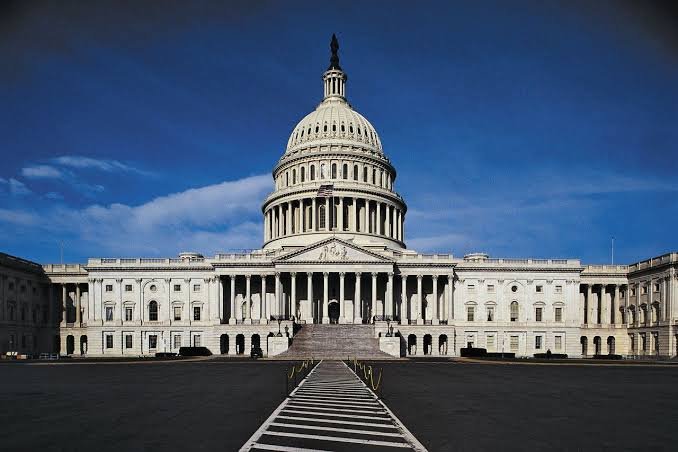
With control of Capitol Hill settled, attention in Washington has quickly turned to leadership elections and the legislative agenda for 2027.
- In the House: House Democratic Leader Hakeem Jeffries is positioned to become the next Speaker of the House after winning an unopposed intra-party leadership vote earlier this week.
- In the Senate: Sen. Chuck Schumer is campaigning to reclaim his role as Senate Majority Leader, though he faces a progressive challenge from Maryland Sen. Chris Van Hollen. Meanwhile, Senate Republicans have reelected Sen. John Thune to lead their conference in the minority.
Armed with a 56-seat buffer in the Senate and a comfortable House majority, congressional Democrats will have broad authority over committee investigations, judicial confirmations, and legislative priorities—setting the stage for a starkly divided government over the next two years.