

Voters Head to the Polls for the 2026 U.S. Midterms
WASHINGTON — Millions of Americans are casting their ballots across the country on Tuesday, November 3, 2026, in a pivotal midterm election that will decide the balance of power in Washington for the remainder of the presidential term.
At stake in today’s vote are all 435 seats in the U.S. House of Representatives, 35 seats in the 100-member Senate (including two special elections), and 36 state governorships, alongside thousands of state legislative and local offices nationwide.
The Fight for Capitol Hill
- The House of Representatives: Republicans entered Election Day defending a narrow majority. With Democrats needing a net pickup of only a handful of seats to flip the chamber, analysts have highlighted several dozen fiercely contested swing districts—particularly in suburban battlegrounds across California, New York, Pennsylvania, and Virginia. A Democratic majority would hand the party subpoena power, committee gavels, and significant leverage over budget negotiations, while a Republican hold would preserve unified control alongside the executive branch.
- The Senate: The battle for the upper chamber is similarly competitive. Republicans entered the race holding 53 seats to the Democratic caucus’s 47 (including independents). Close contests in battleground states—including key races in Maine, Michigan, North Carolina, Ohio, and Texas—will determine which party controls judicial confirmations, executive appointments, and floor schedules.
Voter enthusiasm and participation have remained high following weeks of record-setting early and mail-in voting. Polling and exit surveys indicate the primary drivers of voter decisions include:
- Economic Pressures: Cost of living, inflation, interest rates, and trade policy continue to rank among the highest priorities for voters of all political stripes.
- Foreign Policy & Defense: International conflicts and foreign aid debates have fueled intense discussions on both sides of the aisle, particularly regarding defense expenditures and diplomatic strategy.
- Governance and Oversight: The election serves as a referendum on the administration’s legislative agenda and regulatory actions over the past two years.
Election Night and Certification - Polling locations will close in waves across the nation’s time zones, beginning at 6:00 p.m. Eastern Time in parts of Indiana and Kentucky, with the final polls concluding late in Alaska and Hawaii.
- While preliminary projections for uncompetitive seats are expected early in the evening, election officials caution that final tallies in razor-thin House and Senate contests may take days or even weeks to finalize as mail-in, military, and provisional ballots are methodically processed and canvassed according to state laws.
Key Issues Driving Voter Turnout
Voter enthusiasm and participation have remained high following weeks of record-setting early and mail-in voting. Polling and exit surveys indicate the primary drivers of voter decisions include:
Governance and Oversight: The election serves as a referendum on the administration’s legislative agenda and regulatory actions over the past two years.
Economic Pressures: Cost of living, inflation, interest rates, and trade policy continue to rank among the highest priorities for voters of all political stripes.
Foreign Policy & Defense: International conflicts and foreign aid debates have fueled intense discussions on both sides of the aisle, particularly regarding defense expenditures and diplomatic strategy.
Election Night and Certification
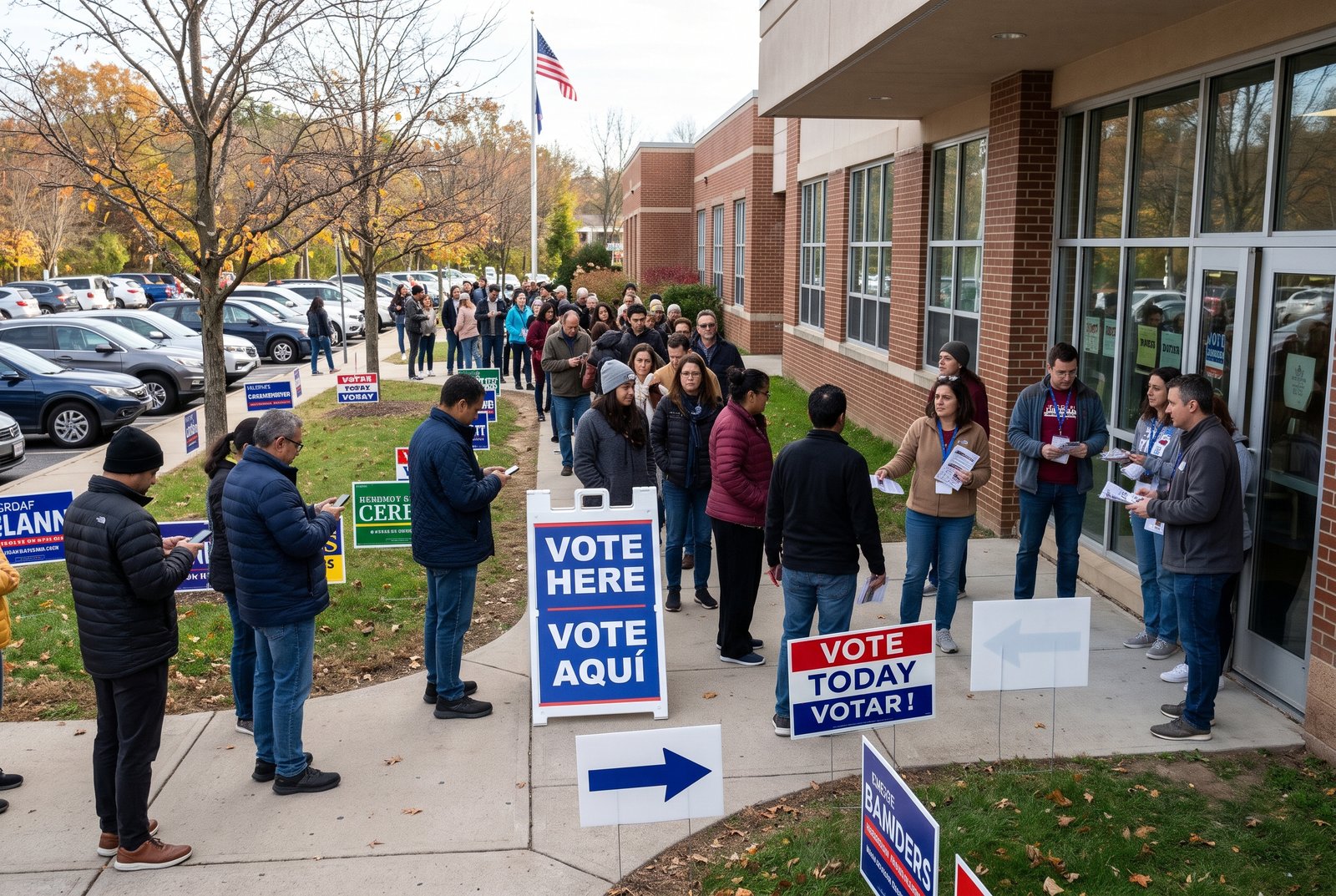
Polling locations will close in waves across the nation’s time zones, beginning at 6:00 p.m. Eastern Time in parts of Indiana and Kentucky, with the final polls concluding late in Alaska and Hawaii.
While preliminary projections for uncompetitive seats are expected early in the evening, election officials caution that final tallies in razor-thin House and Senate contests may take days or even weeks to finalize as mail-in, military, and provisional ballots are methodically processed and canvassed according to state laws.