



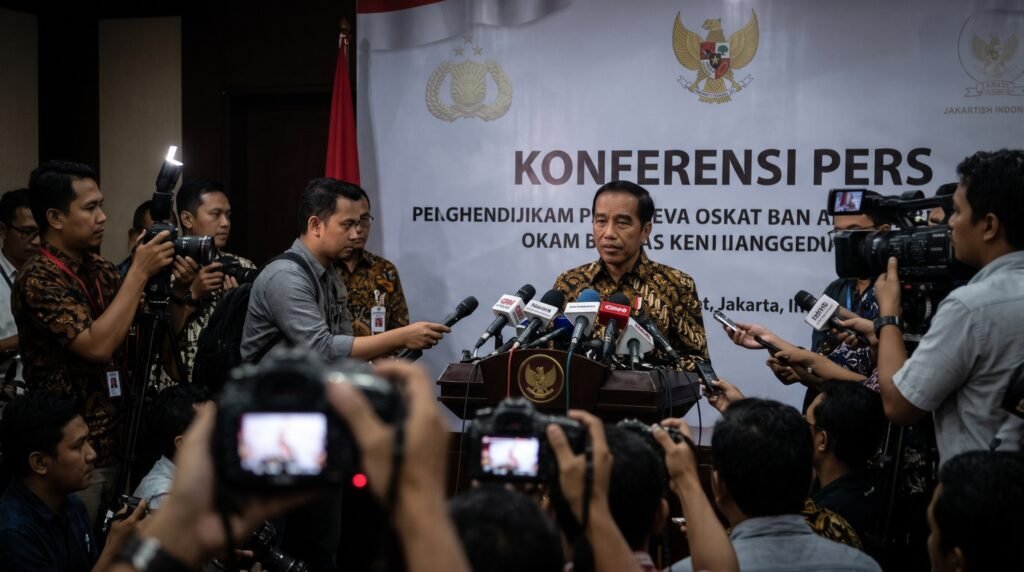
JAKARTA, Indonesia — Indonesia’s political landscape was thrown into turmoil today following the sudden resignation of the nation’s Vice President, a move that underscores a rapidly widening rift at the highest levels of government and signals the potential unraveling of the ruling coalition.
The departure comes after weeks of mounting speculation regarding internal friction between the executive offices, policy deadlocks, and competing agendas among the major political parties that make up the governing alliance.
A Coalition Under Strain
While the official resignation letter cited personal reasons and a desire to allow the administration to move forward without internal distraction, political analysts and insiders point to deep-seated disagreements over key economic reforms, cabinet appointments, and legislative priorities.
- Policy Deadlocks: Tensions reportedly boiled over during recent closed-door cabinet meetings concerning budget allocations and infrastructure spending, where the Vice President’s faction pushed back against several flagship executive initiatives.
- Party Friction: The ruling alliance, built on a delicate balance of competing ideological and regional interests, has struggled to maintain a unified front in parliament over the past several months.
- Public Messaging: Conflicting public statements from senior ministers aligned with the President and those loyal to the Vice President had already exposed the fragility of the partnership to the public.
“This is not merely a personnel change; it is a clear signal that the foundational compromises holding this coalition together are fracturing,” said a Jakarta-based political analyst. “How the President manages the fallout over the next few days will determine whether the government can maintain its legislative majority.”
Constitutional Process and Next Steps
Under Indonesia’s constitution, the sudden vacancy of the vice presidency triggers a specific succession protocol:
- Presidential Nomination: Within 60 days, the President is required to propose two candidates to replace the outgoing Vice President.
- Parliamentary Vote: The People’s Consultative Assembly (MPR) must convene a special session to vote on and select one of the two nominees.
- Interim Operations: In the meantime, the President assumes full executive responsibilities without a deputy, though day-to-day administrative duties are expected to be delegated across senior coordinating ministries.
Market and Regional Reaction
News of the resignation sent immediate ripples through financial markets in Jakarta. The Indonesian Rupiah experienced brief volatility in early trading, and the Jakarta Composite Index dipped slightly as investors weighed the potential for legislative gridlock.
International observers and neighboring ASEAN nations are watching the developments closely, given Indonesia’s pivotal role as Southeast Asia’s largest economy and a key anchor for regional stability.